Winter Horse Care Checklist: Your Month-by-Month Guide
Winter Horse Care Checklist: Your Month-by-Month Guide
Winter can be one of the busiest times of year for horse owners. Shorter days, muddy fields and unpredictable weather bring plenty of extra jobs around the yard, from checking turnout rugs to keeping water troughs ice-free.
A little preparation can make winter horse care much easier. Whether your horse lives out all year or spends more time in the stable, our month-by-month winter checklist covers the key jobs to help keep them healthy, comfortable and happy throughout the colder months.
September – Get Ahead of the Colder Weather
Check Body Condition – Take clear photos of your horse from the side and behind to help you monitor changes in their condition over winter. Combine these with regular hands-on body condition scoring, as a thick winter coat can hide weight loss or gain.
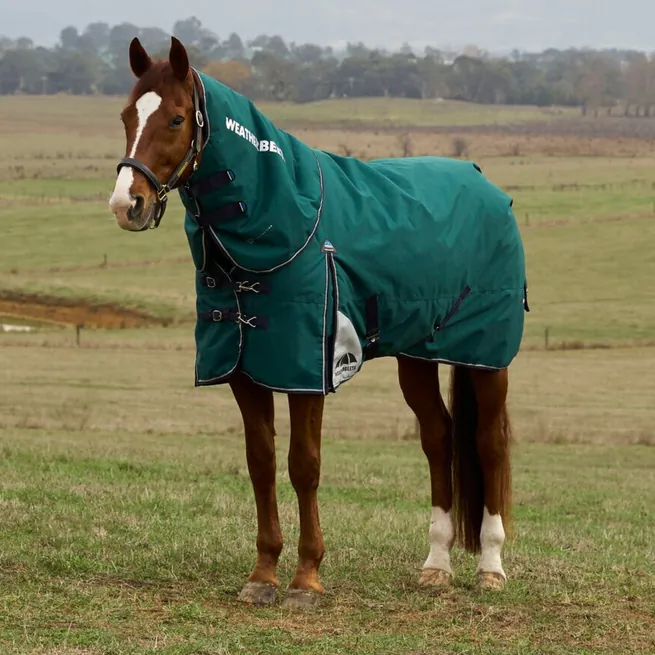
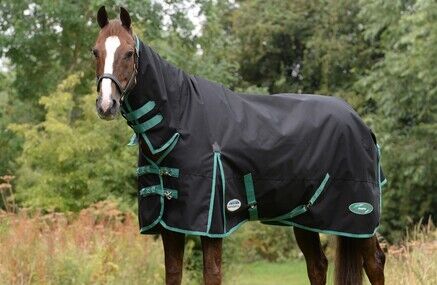
Check Your Winter Rugs – Now is a good time to make sure your turnout and stable rugs are clean, in good condition and fit correctly. Check straps, buckles and fastenings, and arrange any repairs before the colder weather arrives. Remember, not every horse needs rugging, so consider their individual needs.
Plan Your Clipping – If your horse is in regular work, clipping may help prevent them becoming too hot and sweaty during exercise. The timing and type of clip will depend on their workload, coat growth and management routine.
Review Your Worming Programme – Speak to your vet or a suitably qualified adviser about your horse's parasite-control plan. Faecal egg counts can help guide treatment decisions at appropriate times of year.
October – Prepare Your Yard and Routine
Give the Stable a Deep Clean – Before your horse starts spending more time indoors, give their stable a thorough clean. Check ventilation, drainage and bedding arrangements to help maintain a comfortable environment.
Review Their Diet – Changes in turnout, grazing and workload can affect your horse's nutritional needs. Make sure they have access to sufficient forage and a balanced diet suited to their condition and activity level. Seek advice from a qualified equine nutritionist if you're unsure.
Check Field Shelter – Whether it's a field shelter, hedge or natural tree cover, make sure your horse has access to suitable protection from wind and rain. Check fencing and gateways while you're there.
Protect Water Pipes – Insulate exposed pipes and outdoor taps before freezing temperatures arrive. It's also worth checking hoses and keeping buckets handy in case your usual water supply freezes.
November – Keep an Eye on Condition
Check Your Horse's Health and Condition – Compare your horse's body condition with your September photos. Check their coat, skin, hooves and general wellbeing, and look out for any changes as the temperature drops. Continue daily checks throughout winter.
Review Parasite Control – Autumn and winter are important times to review your horse's parasite-control plan, including tapeworm and encysted small redworm. Routine faecal egg counts don't reliably detect these parasites, so ask your vet about appropriate testing or treatment rather than worming automatically.
Check Rugs Regularly – If your horse wears a rug, check the fit frequently and remove it regularly to inspect their skin and body condition. Adjust rugging according to the weather, their coat, shelter and individual needs.
Weatherbeeta ComfiTec Plus Dynamic Detach a Neck 100g Turnout
December – Be Ready for Ice and Frost
Keep the Yard Safe – Icy paths and slippery gateways can make everyday yard jobs difficult. Keep suitable grit or salt available for appropriate yard surfaces, and consider textured rubber matting in areas where extra grip is needed. Check that any surface treatment is safe for horses.
Prevent Frozen Water Troughs – Horses need reliable access to fresh water throughout winter. Check troughs and buckets regularly during freezing weather, break and remove ice, and consider a suitable frost-protection system. Reduced water intake can increase the risk of impaction colic.
Keep Forage Supplies Topped Up – As grass availability decreases, many horses rely more heavily on hay or haylage. Check your supplies regularly and make sure forage is suitable for your horse's needs.
January – Start the New Year Prepared
Check Vaccination Dates – Take a look at your horse's vaccination record and make sure any upcoming boosters are booked with your vet. Remember that competition and governing body requirements may affect vaccination schedules.
Book a Dental Check – Is your horse due for a dental examination? Regular checks by a vet or appropriately qualified equine dental technician can help identify problems before they affect comfort or feeding.
Review Clipping Needs – If your horse is still in work and growing a heavy coat, consider whether another clip would help keep them comfortable. There's no single cut-off date for clipping, so base your decision on their individual needs.
Look After Your Fields – Muddy gateways and heavily poached areas can become a problem during prolonged wet weather. Suitable hardcore, specialist ground reinforcement or matting may help protect high-traffic areas. Rotating turnout areas where practical can also reduce damage.
February – Keep Up the Winter Routine
Monitor Body Condition – Take another set of photos and compare them with those from earlier in winter. Continue checking your horse's weight, body condition, coat and hooves, particularly if they've been wearing rugs regularly.
Review Your Worming Plan – Check when your horse is next due for parasite testing or assessment. Your vet can advise on the most suitable timing based on the season, your horse's age, grazing arrangements and previous results.
Prepare for Spring – As the days begin to get longer, start thinking about spring grazing, field maintenance and any changes to your horse's feeding or turnout routine. Gradual changes can help make the transition easier.
Ready for Whatever Winter Brings
Every horse is different, and the right winter routine will depend on their age, condition, workload and living arrangements. Keeping an eye on the small things, from rug fit and hoof condition to forage and fresh water, can make a real difference during the colder months.
At Wychanger, we know how much work goes into caring for horses through winter. Whether you're preparing for wet-weather turnout or stocking up on everyday yard essentials, we're here to help you find practical products suited to your horse and routine.